Student Gallery
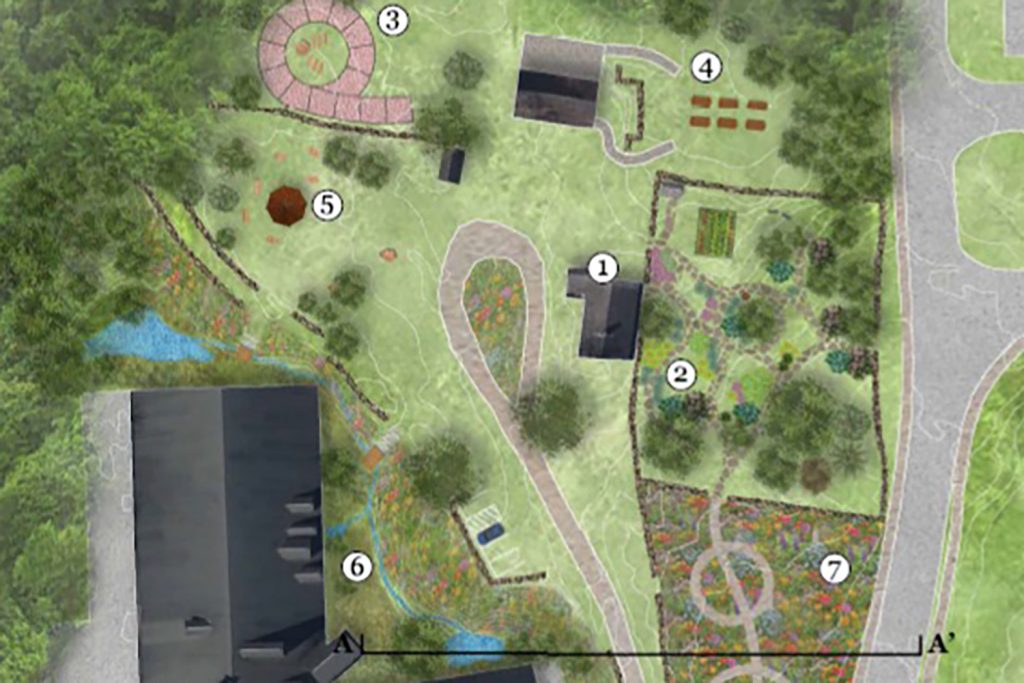
Brookside Farm Museum
LAND 3430, Eveleen Jiang: Brookside Farm Museum: Historic Renewal connects surrounding areas by creating spaces embedded in the history of Brookside Farm Museum in East Lyme, CT. The project demonstrates how landscape architects develop site-specific programs that respond to client needs and community desires—translating functional requirements into spatial interventions. Gathering areas for all ages, beautification of the site, and new programming transform the museum grounds into an inspiring place for the community
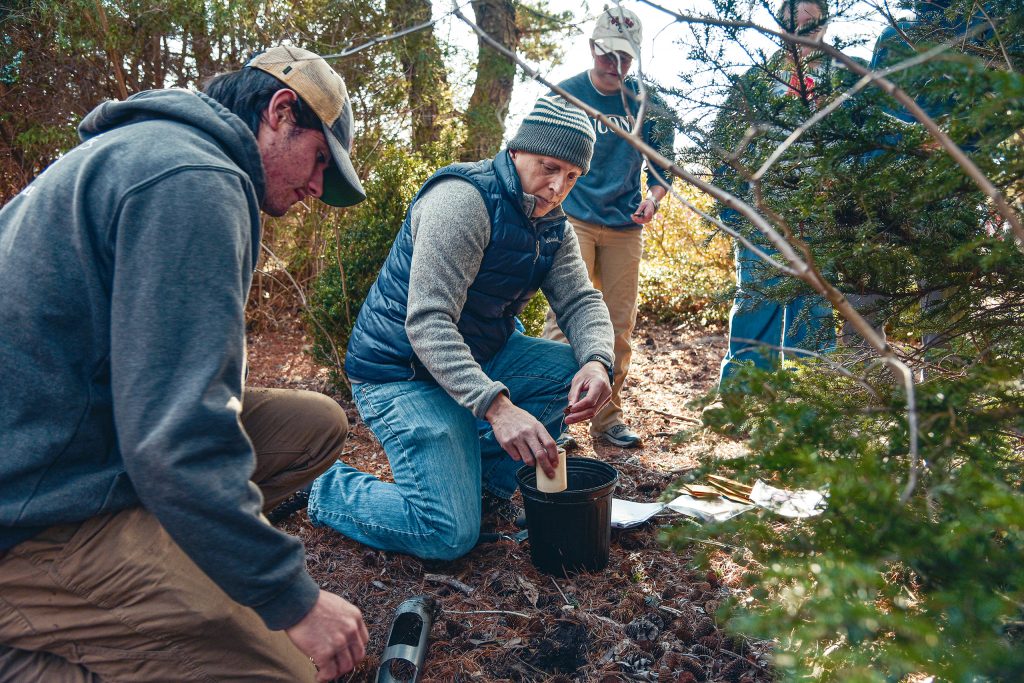
Soils Lab
Students in the Soils Lab (PLSC 2125) course, set up decomposition experiments at the Plant Science Research and Education Facilities.
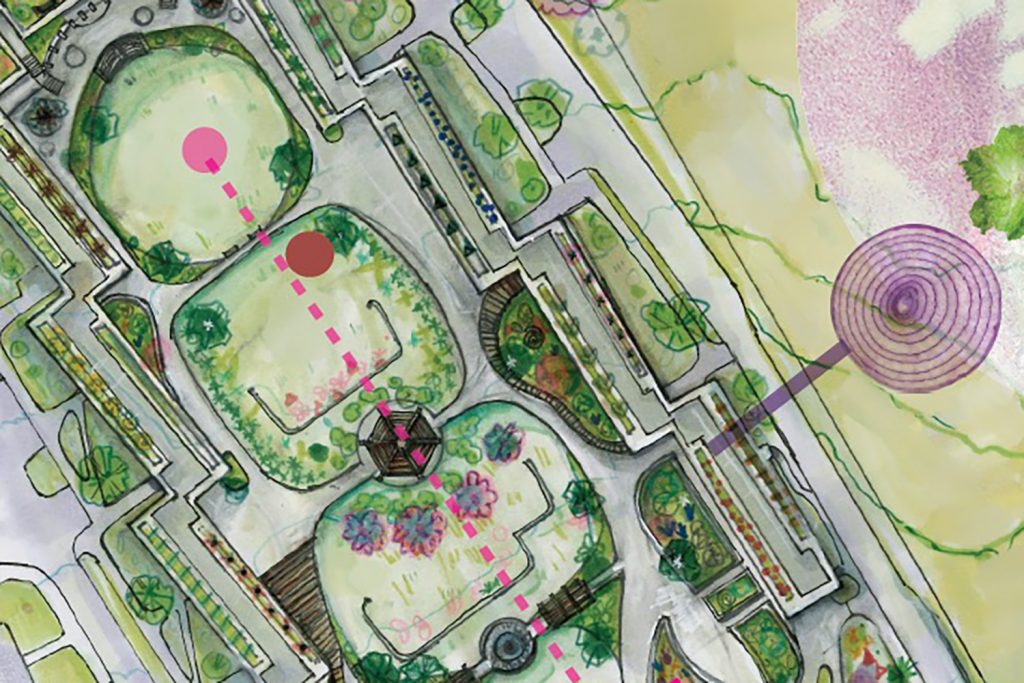
Mental and Physical Health at the North Residences
LAND 2410, Hoa Phan: This design uses natural topography to break up a large formal space into smaller, more intimate rain gardens, terraces, and water features. The proposal demonstrates how site analysis—reading physical, biological, and cultural attributes—translates into design solutions that respond to existing landscape dynamics while creating accessible, human-scaled gathering spaces.
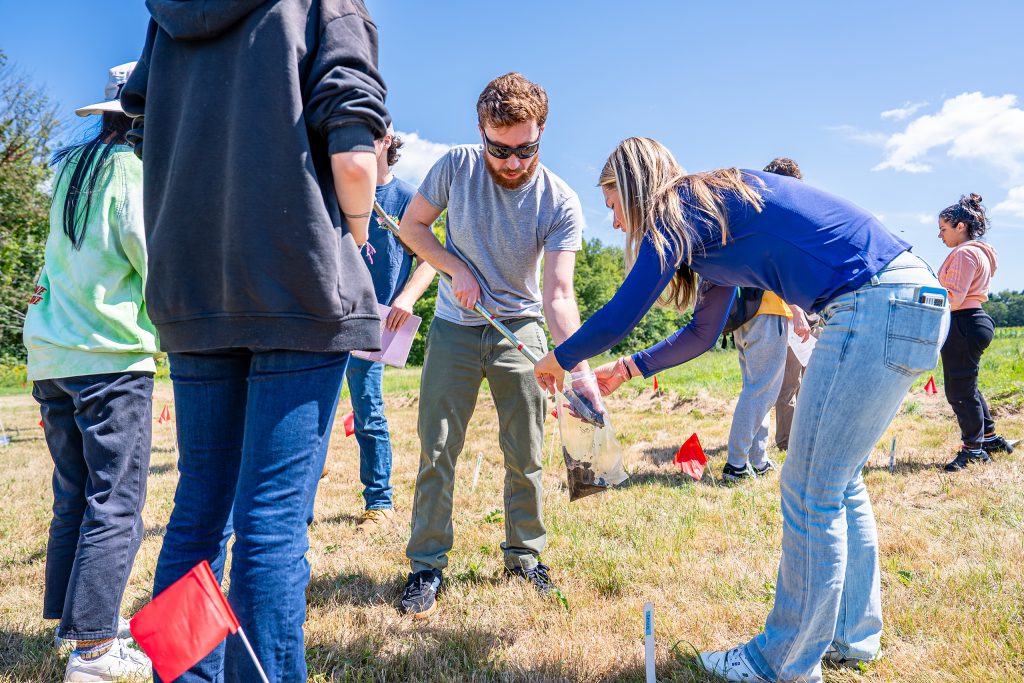
Soil Fertility
Students in Soil Fertility (PLSC 3620), a class taught by Haiying Tao, learn techniques to collect soil samples at the Plant Science Education and Research and Education Facilities, also known as the Plant Science Research Farm.
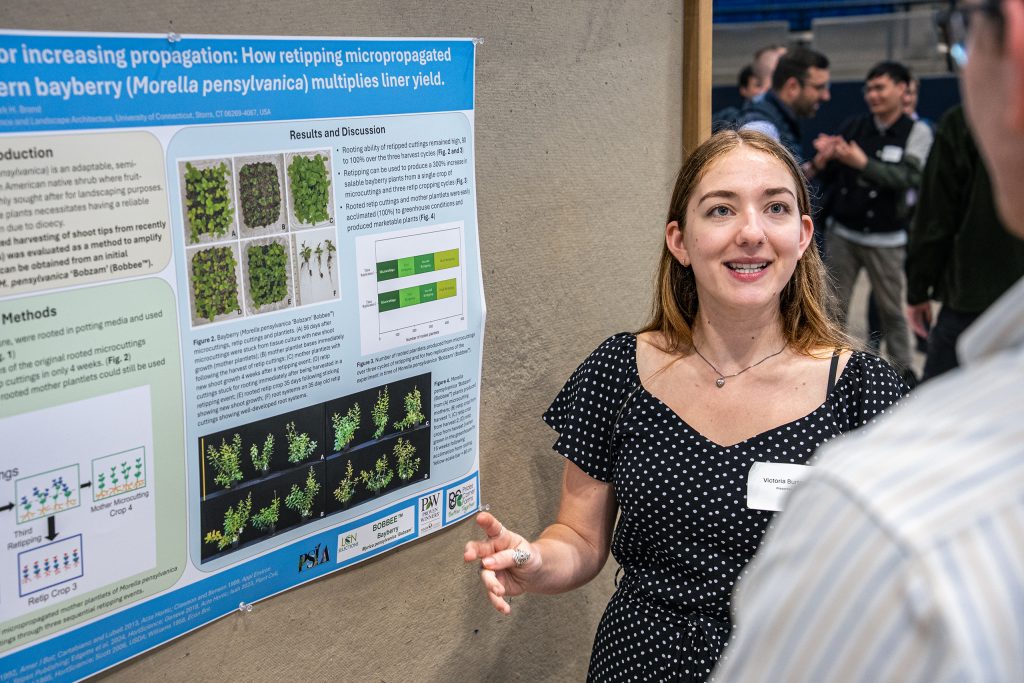
Graduate Research Forum
The College of Agriculture, Health and Natural Resources held its annual Graduate Research Forum event in the Wilfred B. Young Building and Ratcliffe Hicks Building and Arena.
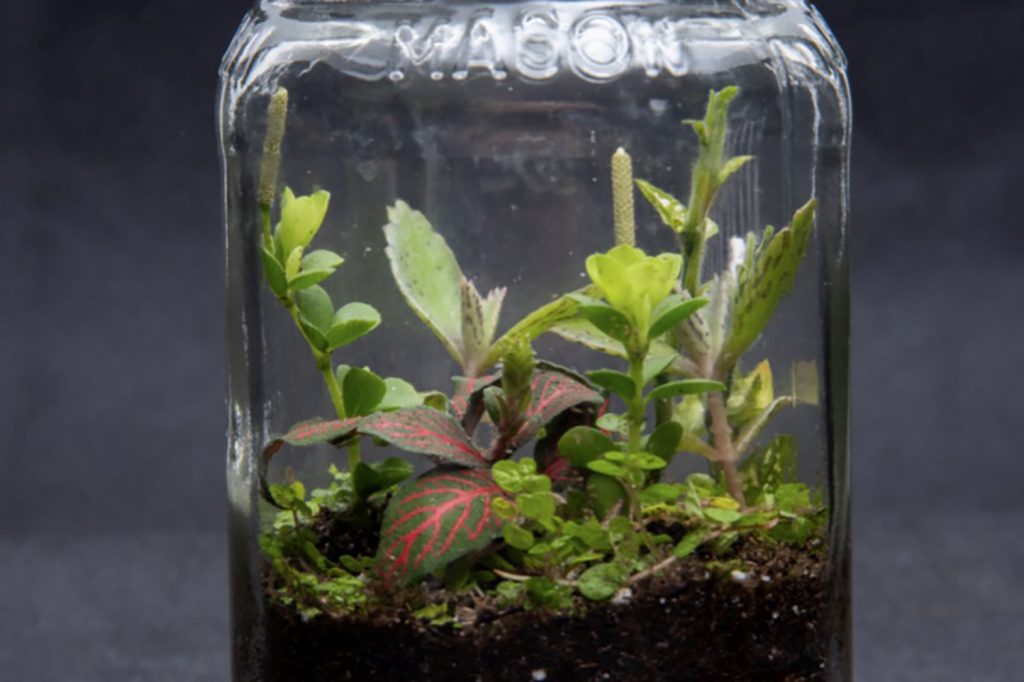
Graphics 01
LAND 2110: This foundational course introduces landscape drawing and modeling across media, scale, and time, providing students with tools to observe, think, and take design action. Through four modules—topography, live matter, hydrology, and materials—students learn to represent and manipulate landform, plant life, watersheds, and synthetic design interventions, culminating in a tiny propagated landscape created in the greenhouse
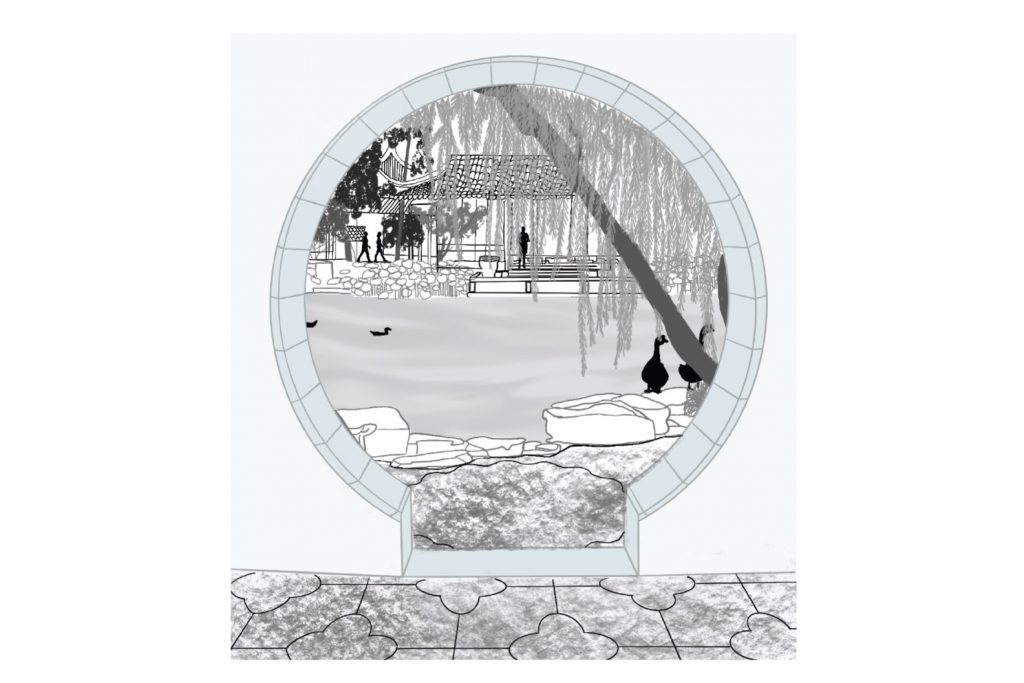
Through the Moon Gate
LAND 2200, Kathleen Cropley: This course provides critical and historical analysis of designed landscapes, examining how social, economic, political, and intellectual forces shape spatial design across time. Students explore how landscapes both respond to and transform their socio-cultural and bio-geophysical contexts, tracing changing ideas and opportunities from historical precedents to contemporary practice.
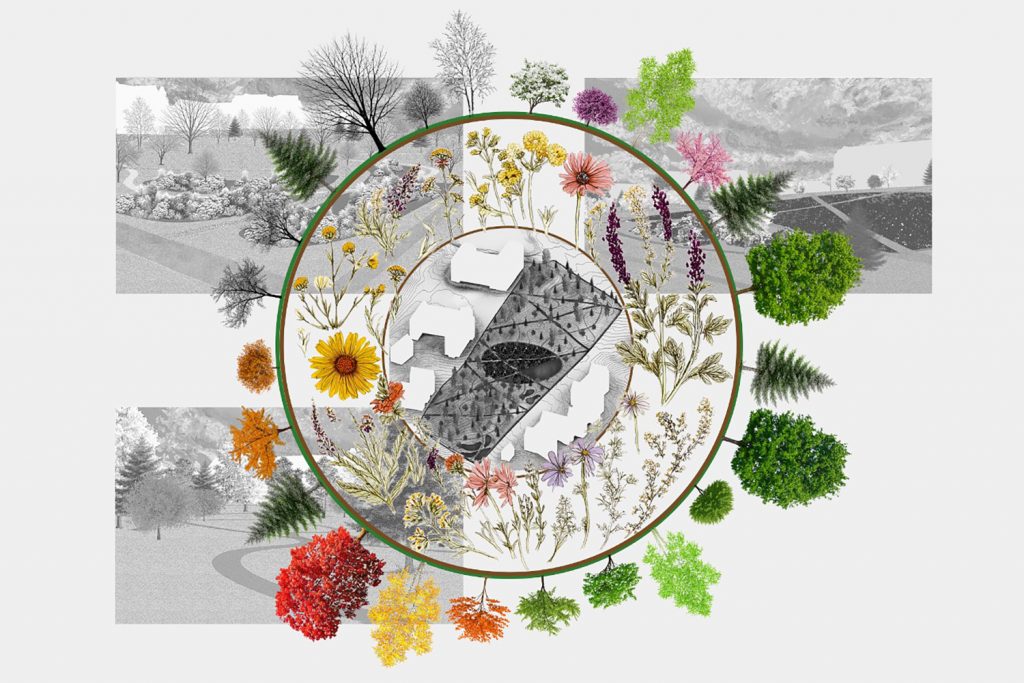
Wandering Woodlands
LAND 3420, Dillon Burlakoff: The Wandering Woodlands transforms UConn’s seldom-used Great Lawn by restoring the seasonal forest that existed before the site was cleared and maintained as turf. Through three path types—pondering paths, wandering walkways, and formal connections—the design establishes a wildflower meadow surrounded by reforested areas, breaking the lawn’s symbolism of order and control to instead represent growth, perseverance, and commitment to biodiversity.
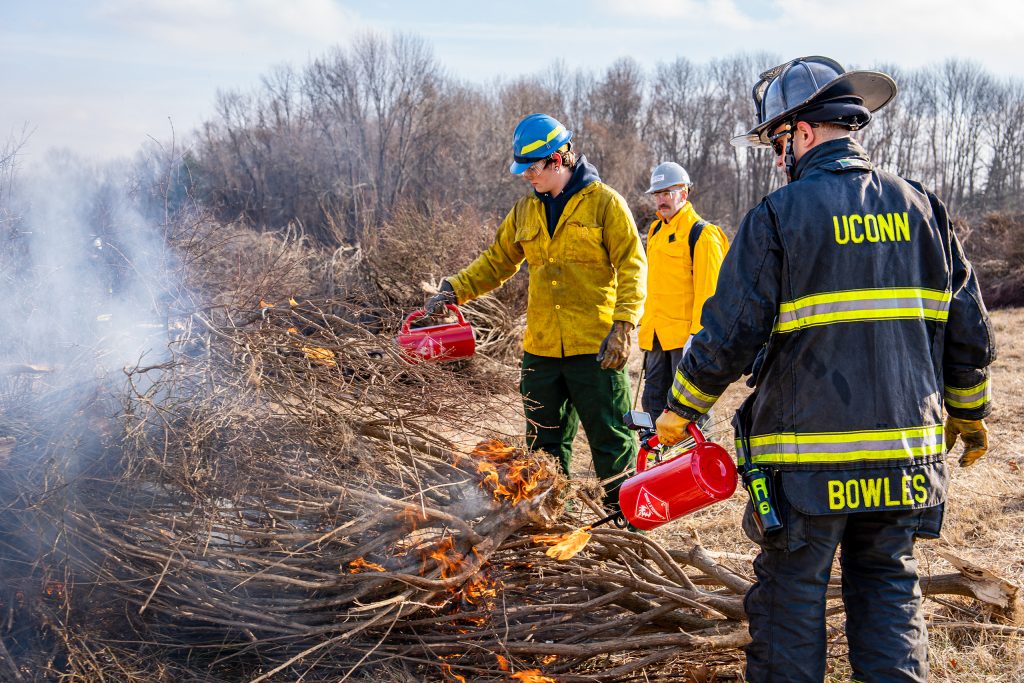
Prescribed Burn
Zachary Plazcek ‘25 (CAHNR) works with the UConn Fire Department and the crew of the Plant Science Research and Education Facilities (PSRF) on a pile burn for research on wildfires and prescribed burn applications.
Stay Connected
Discover your passion, build lifelong connections, and shape your future where opportunity meets inspiration.