Our Research
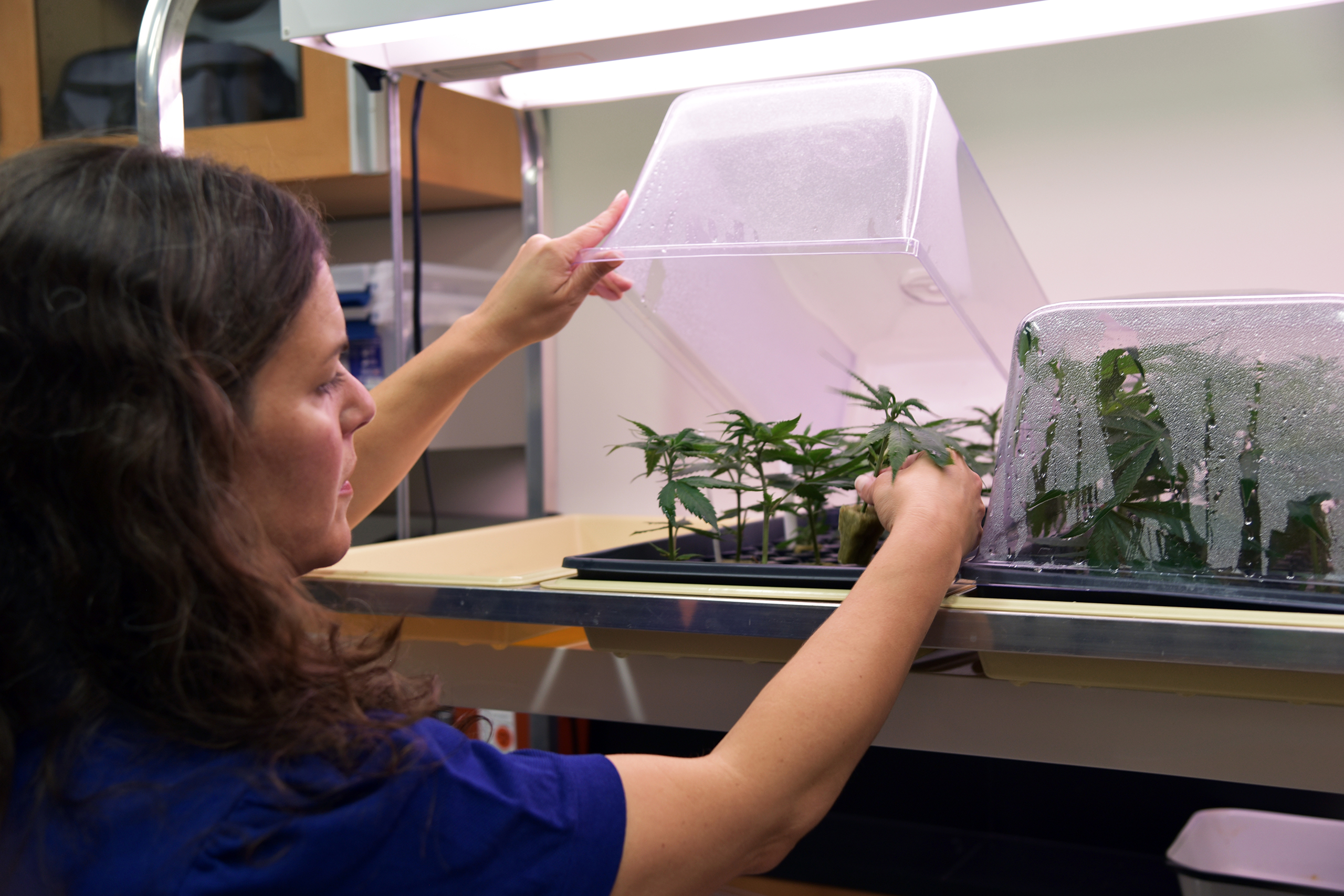
Our internationally recognized faculty conduct innovative research that seeks to address global challenges and expand knowledge for our changing world. With a diverse array of multidisciplinary research areas, we’re also training the next generation of scientific leaders by providing students with research opportunities at the undergraduate and graduate levels. We bring the excellence of an R1 university to cutting-edge research that helps improve quality of life for a sustainable future.
Research Strengths
Climate and Biodiversity
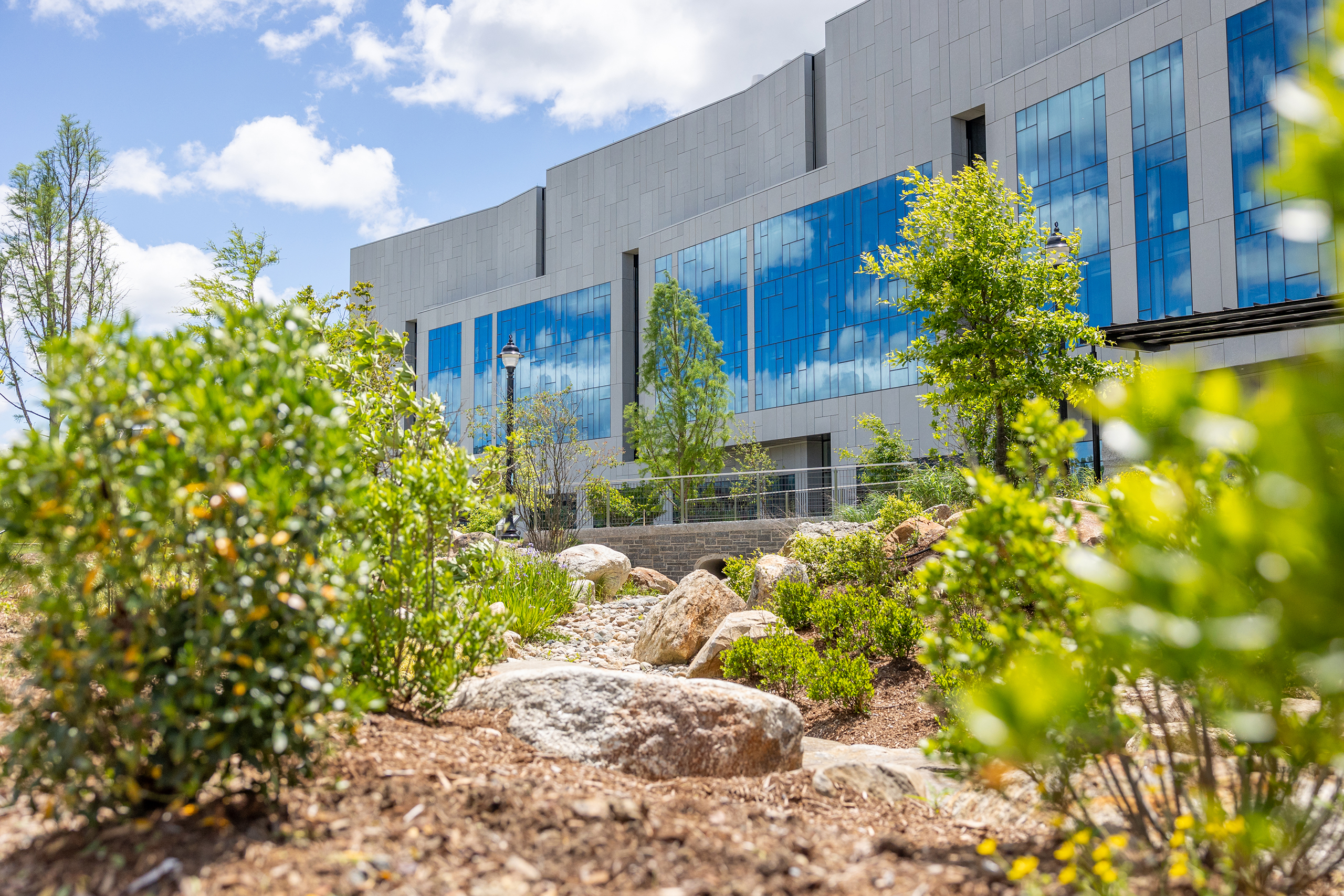
Climate and biodiversity research explores how design and planning can reduce climate risks for vulnerable communities while supporting urban ecosystems. This work examines the relationship between land use, human health, and habitat creation, developing practical tools and frameworks for community advocates and public agencies. Projects address climate adaptation, urban nature, and land stewardship strategies that benefit both people and wildlife.
Design Activism, Social Justice, and Service Learning
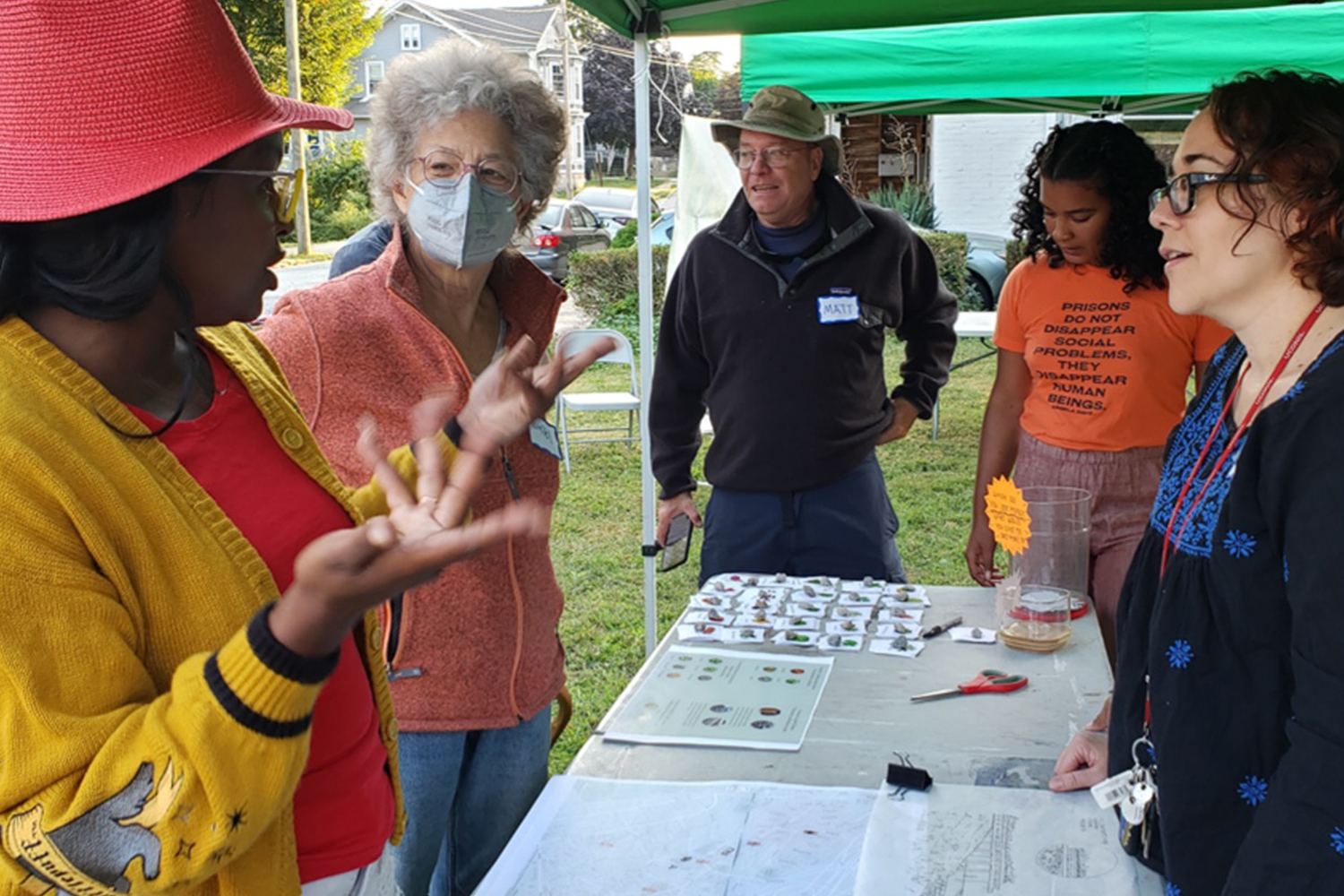
Our research and teaching connect design practice with community advocacy, working alongside activists, public agencies, and nonprofit organizations to address social and environmental challenges. Faculty develop collaborative frameworks that examine how land use and climate vulnerability intersect with questions of equity and access. Projects reduce heat risks for vulnerable populations, explore land reform as a tool for redistribution, and reimagine abandoned landscapes as sites of ecological and social transformation.
Horticulture and Controlled Environment Systems
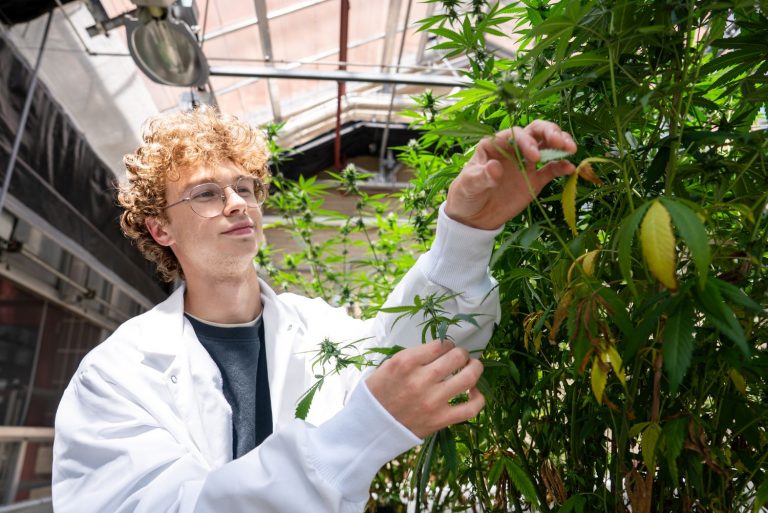
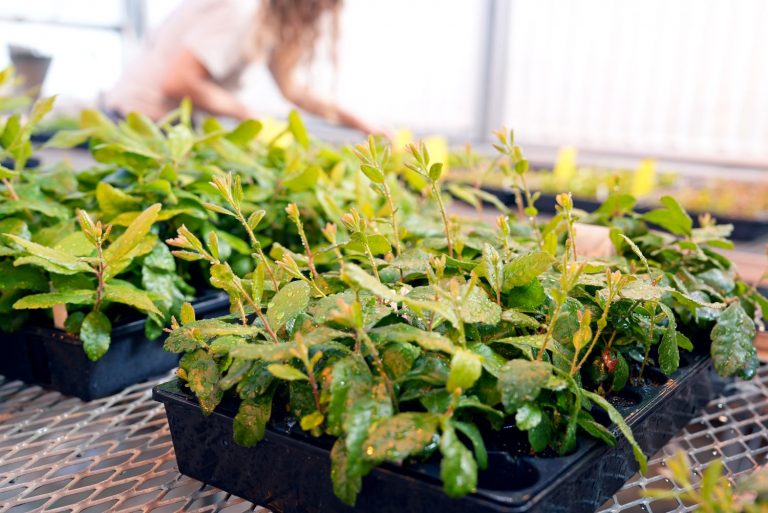
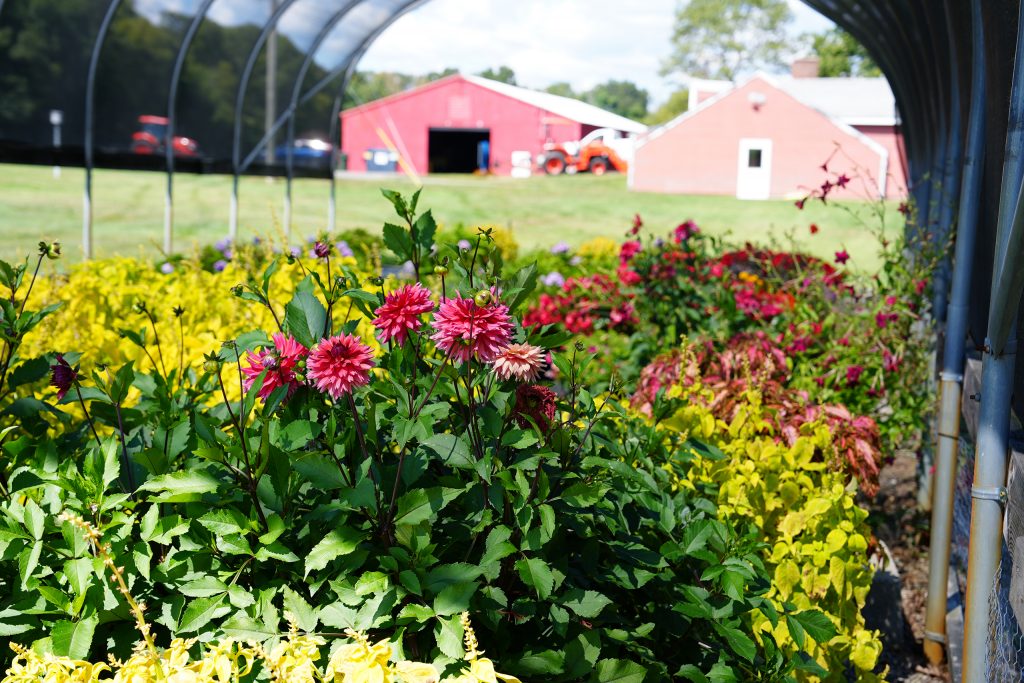
Research in horticulture and controlled environment systems explores how plants can be grown more efficiently, sustainably, and creatively — from greenhouse and nursery production to vertical farming and urban agriculture. Students investigate plant physiology, lighting and climate control, propagation, and crop management to improve productivity, reduce environmental impact, and advance year-round food and ornamental plant production.
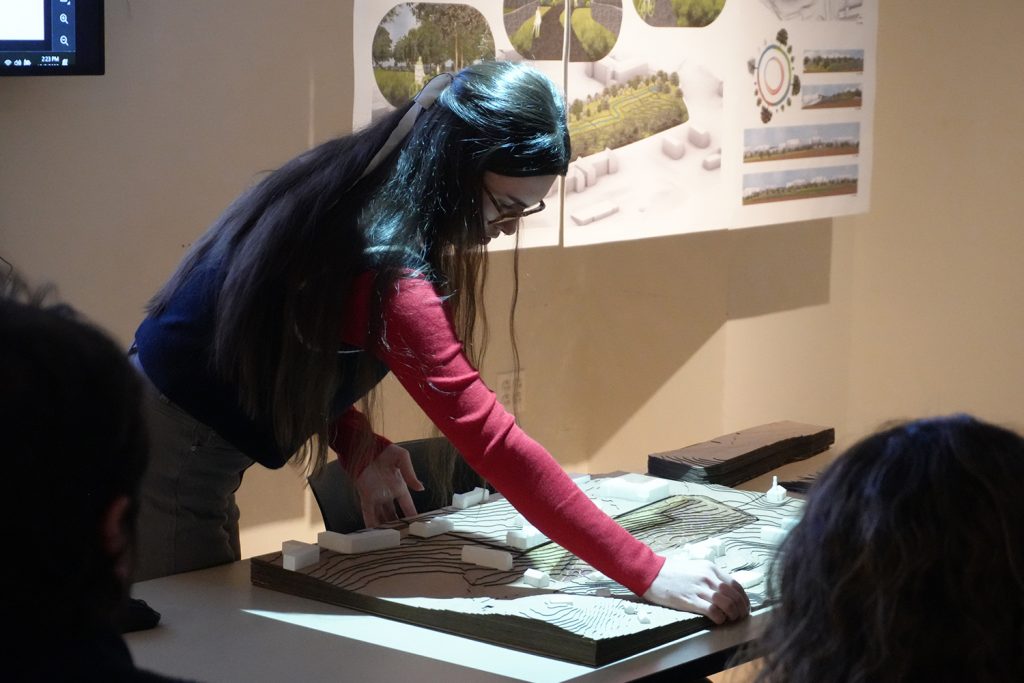
Landscape Visualization and Representation
From traditional visual media like mapping, drawing, and modelmaking to emerging digital tools like projection mapping and virtual reality, our strengths in representation shape how we understand landscapes and inform our design decisions. How we represent landscapes fundamentally influences how we design and manage them. Our research examines the evolution of representational techniques and uncovers new approaches to make visible hidden environmental systems.
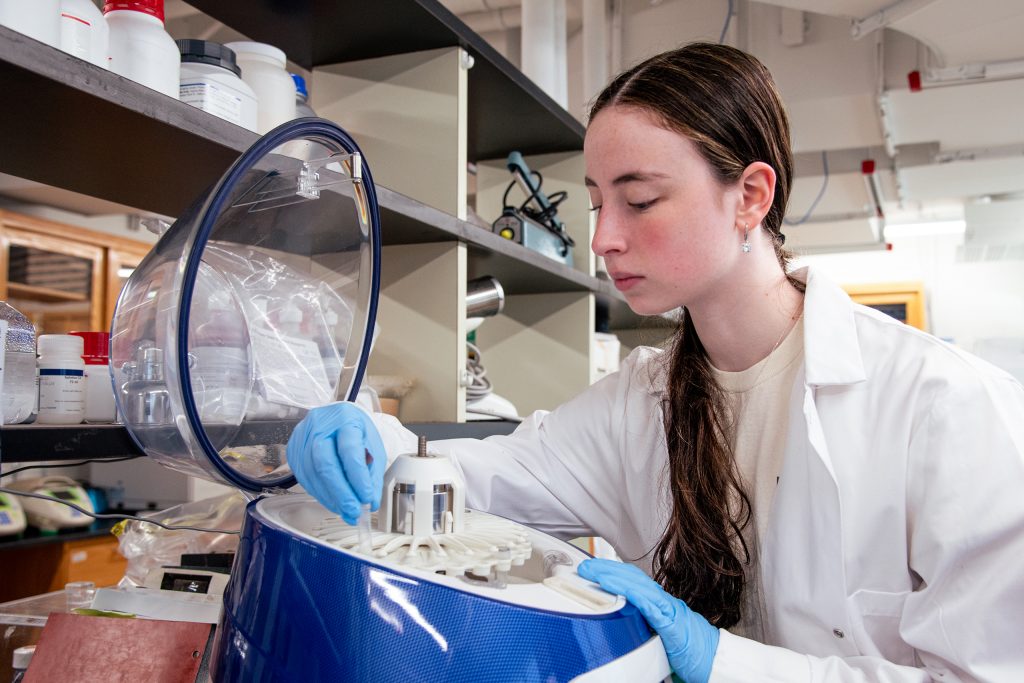
Plant Genetics and Biotechnology
Plant genetics and biotechnology research investigates how genes influence plant growth, resilience, and productivity. Students work with expert faculty and use cutting-edge molecular techniques to develop improved crop varieties, enhance stress tolerance, and advance sustainable agriculture through genetic innovation and applied biotechnology.
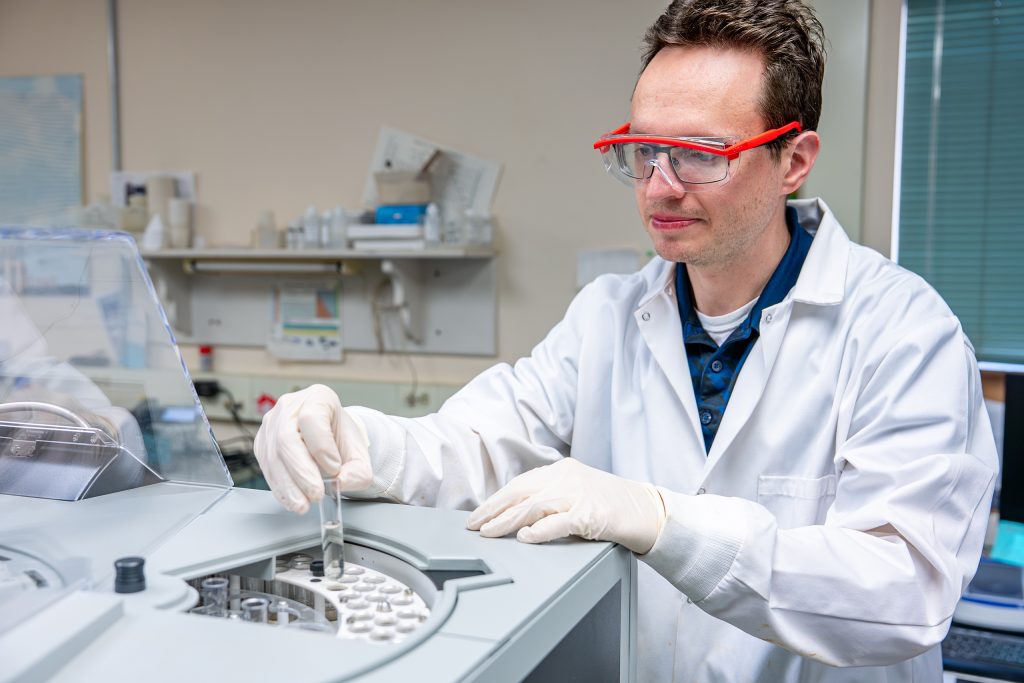
Soil Science
Soil science research at UConn examines how soils function as living systems critical to agriculture and environmental health. Students might analyze nutrient cycling, soil fertility, or carbon storage — work that informs sustainable land management and climate change mitigation across Connecticut’s diverse landscapes.
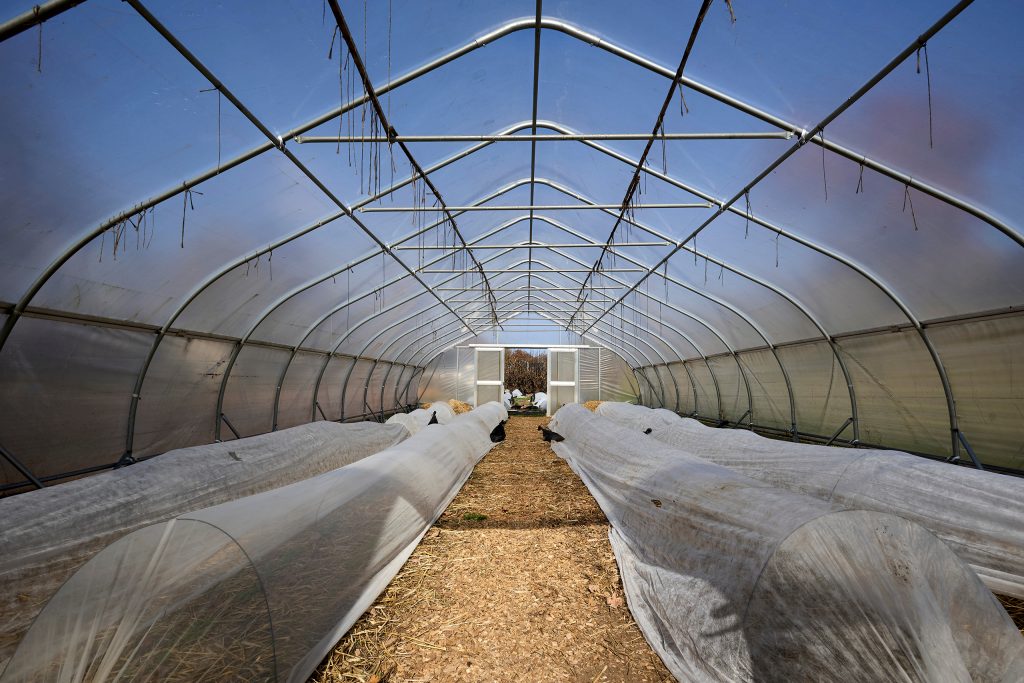
Sustainable Crop Production and Pest Management
This research area focuses on improving crop yield and health through environmentally responsible practices. Students study soil fertility, integrated pest management, and cropping systems to develop sustainable strategies that reduce chemical inputs, conserve natural resources, and support resilient agricultural ecosystems.
Turfgrass Science
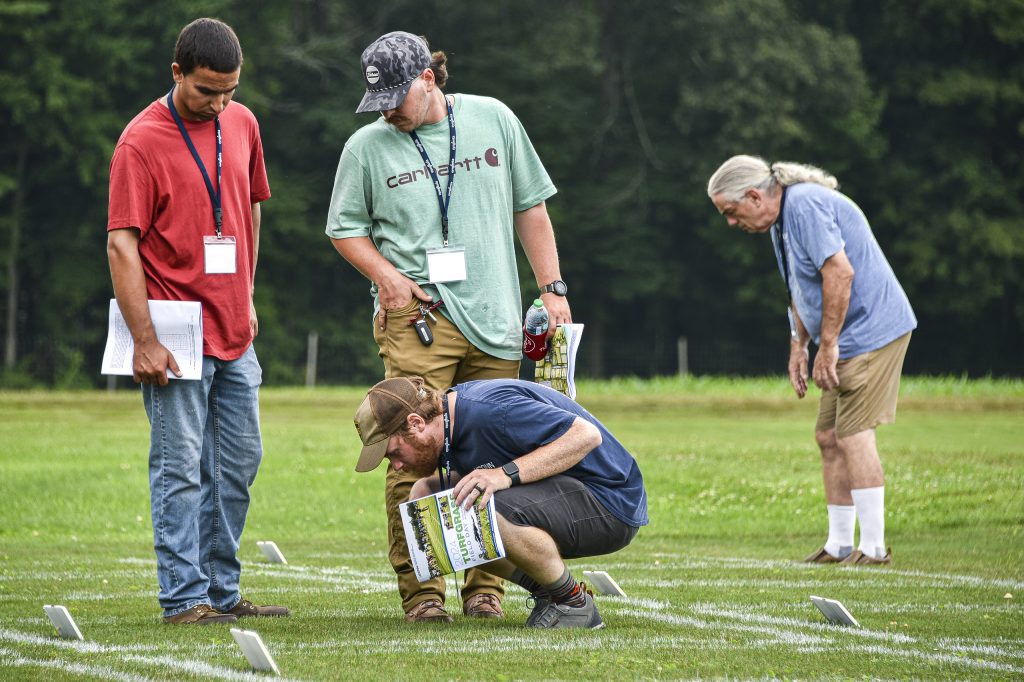
UConn’s turfgrass science research supports the design and management of high-performance playing surfaces and sustainable landscapes. Students test new grass varieties, irrigation strategies, and maintenance techniques in real-world field trials — advancing practices for golf courses, athletic fields, and public spaces across the region.
Urban and Environmental Design
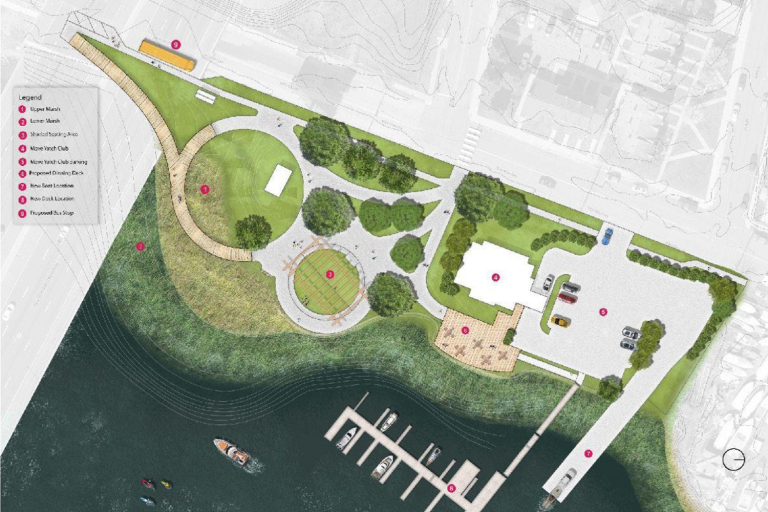
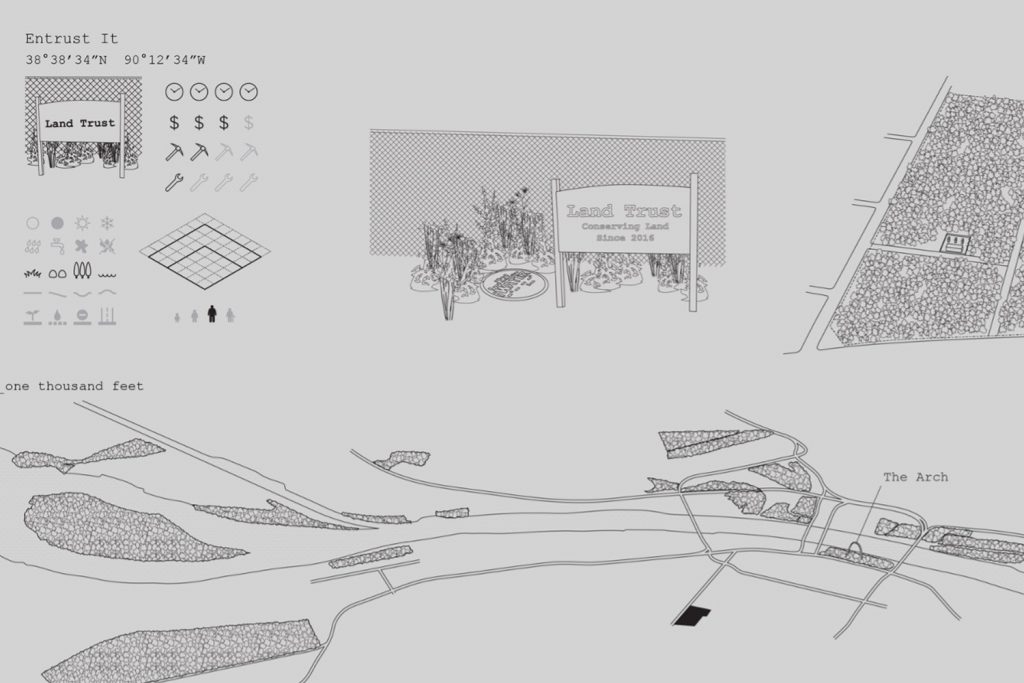
Urban and environmental design research examines how social, economic, and ecological forces shape cities and landscapes, often through processes that remain invisible in conventional planning approaches. Faculty connect urban design with questions of environmental stewardship, land reform, and social equity, examining abandoned landscapes, post-capitalist alternatives, and incentivized management systems. This work aims to generate more holistic and socially responsible design interventions across multiple scales.