Facilities
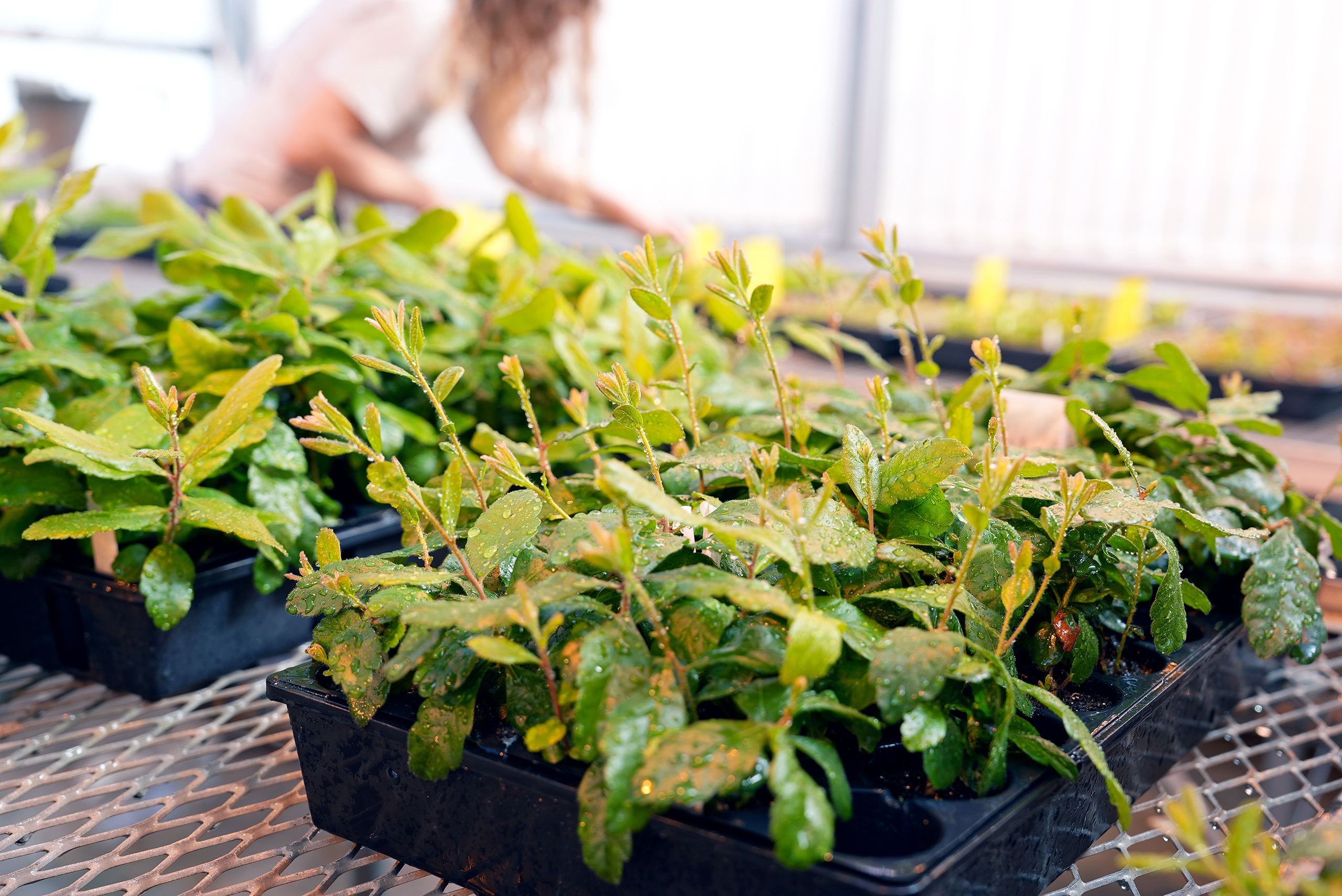
The Department of Plant Science and Landscape Architecture is home to unique facilities that support transformational learning, cutting-edge research, and engaged extension programs. Among these are climate-controlled greenhouses, the George Leigh Minor Plant and Soil Health Center, and the 153-acre Plant Science Research and Education Farm, all of which enable you to cultivate plants, analyze soils, and test sustainable landscape solutions firsthand. With courses, internships, and research rooted in our field and laboratory settings, students gain direct experience that bridges classroom theory and meaningful real-world impact.
Our Facilities
Plant Science Research and Education Farm
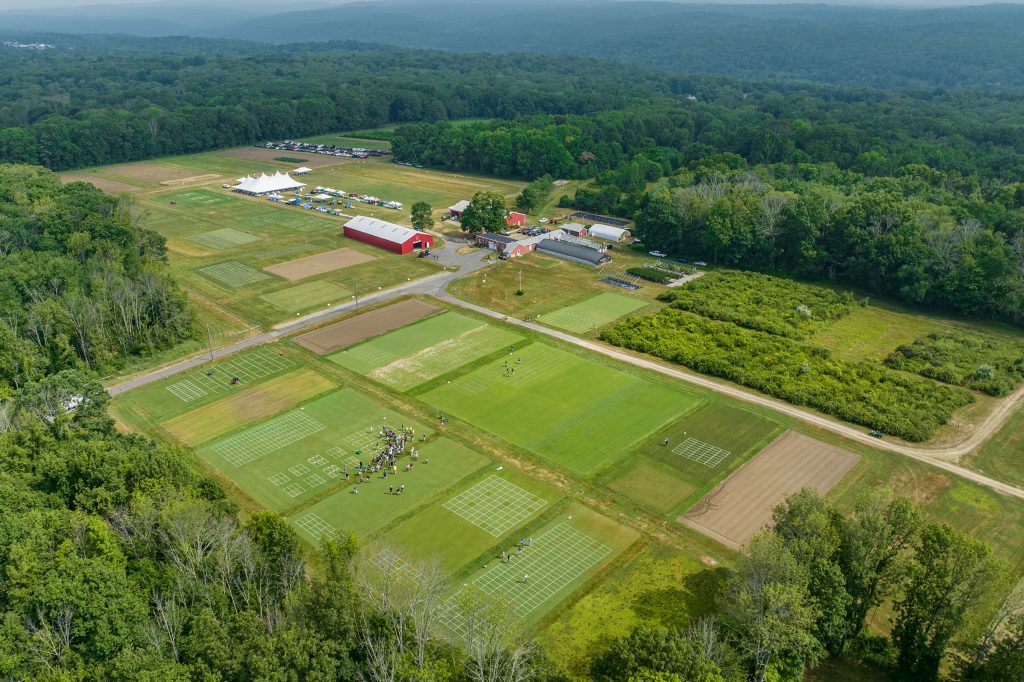
The Plant Science Research and Education Farm is a 153-acre facility located on Route 195, approximately two miles south of campus. It is a key part of the Department of Plant Science and Landscape Architecture’s research portfolio and offers students hands-on experience in sustainable practices.
Landscape Architecture Studio
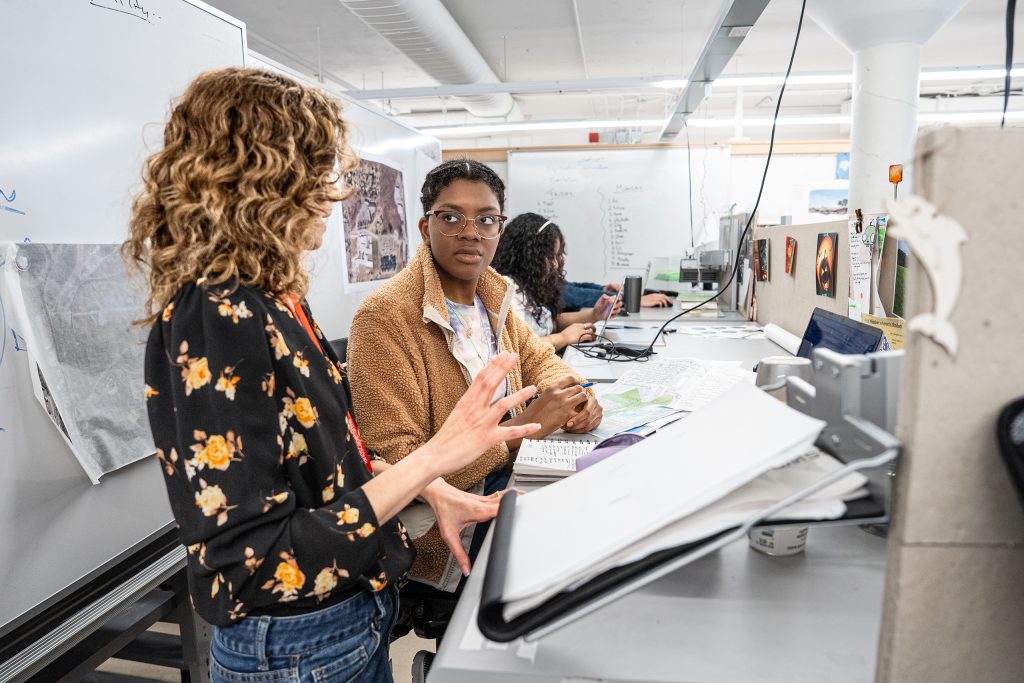
The Landscape Architecture Studio is a vibrant, collaborative hub where ideas take shape through teaching, learning, and making. Students work at dedicated desks with access to free supplies for exploring designs through both digital and analog techniques. The studio’s open, flexible layout supports hands-on, transformative design work, while an expansive library of books and resources fosters experimentation, research, and exchange among students and faculty.
Landscape Architecture Digital fabrication, simulation, and visualization labs
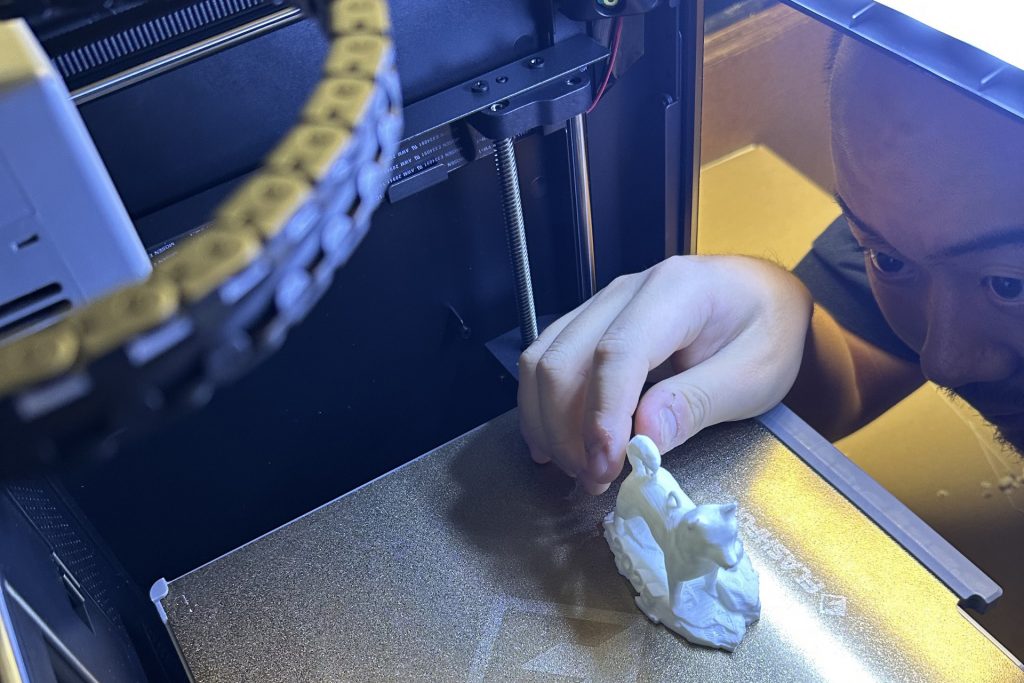
Three interconnected laboratory spaces provide students with the opportunity to engage with cutting-edge digital technologies. The LandFAB fabrication space provides access to laser cutters, 3D printers, CNC routers, and other advanced manufacturing tools. The Virtual Reality Lab allows students to experience their designs through immersive 3D models and spatial simulations. The Remote Sensing and Simulation Lab provides access to a drone library for aerial survey and photogrammetry, along with computational tools for environmental modeling, GIS analysis, and climate simulation.
George Leigh Minor Plant and Soil Health Center
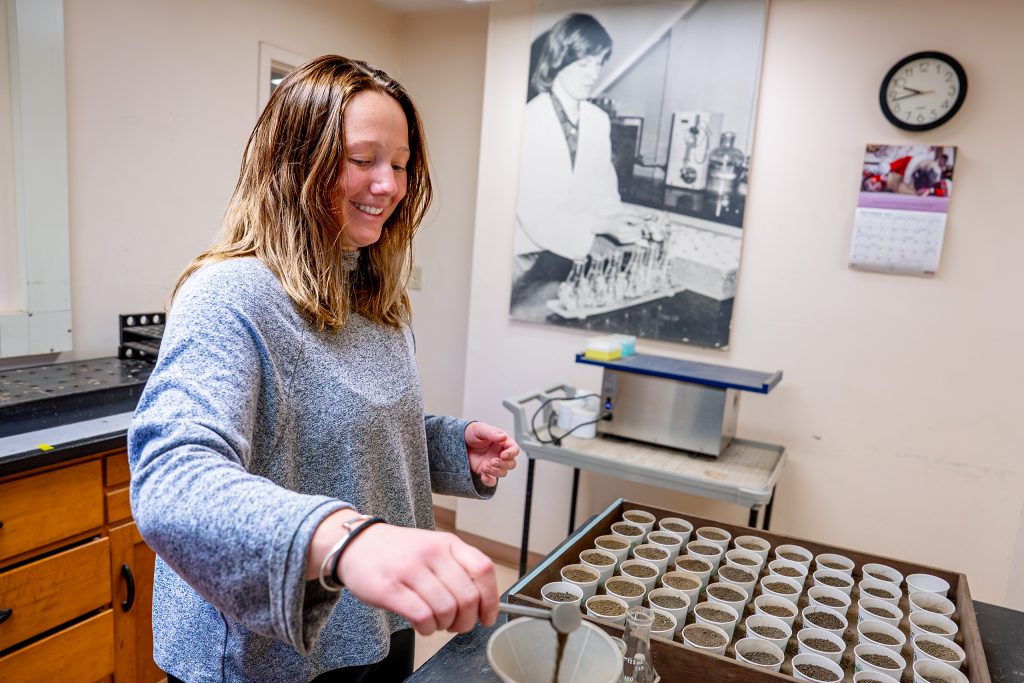
The George Leigh Minor Plant and Soil Health Center combines UConn’s public-facing agricultural services with a new flexible, collaborative, laboratory space for CAHNR. It brings together the resources available through the UConn Home and Garden Education Center, Plant Diagnostic Lab, Soil Nutrient Analysis Laboratory, and the Turf Diagnostic Lab.
Agricultural Biotechnology Laboratory
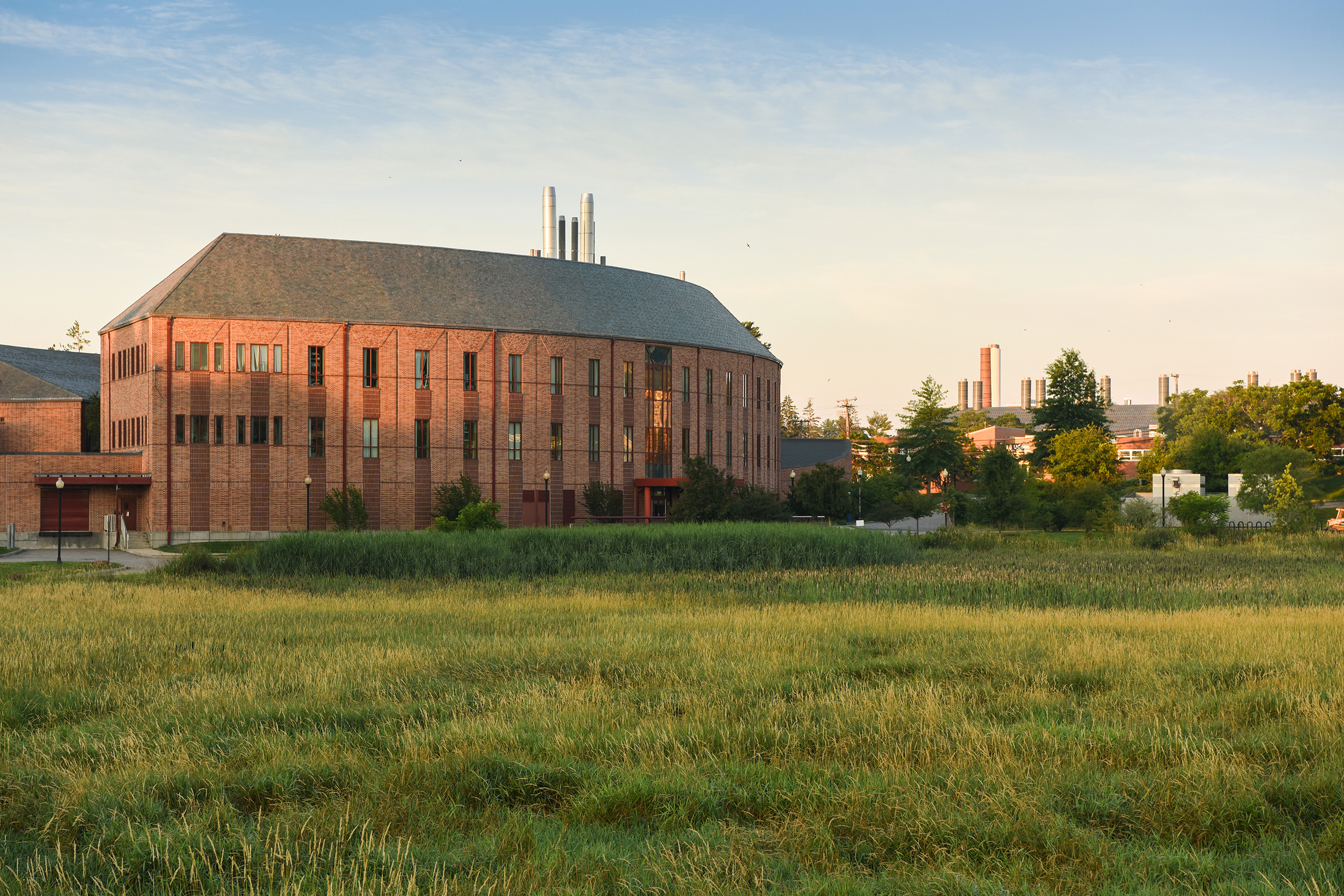
The Agricultural Biotechnology Laboratory (ABL) and the Advanced Technology Laboratory (ATL) form UConn’s Bio Science Complex (BSC). The Agricultural Biotechnology Lab features a climate-controlled greenhouse and animal research labs used by departments including molecular biology, physiology, and genetics.

Floriculture & ABL Greenhouses
CAHNR is home to several climate-controlled greenhouses, used for teaching, research, and extension programs. Students gain hands-on experience with plant cultivation and care, while student clubs like the UConn Hort Club offer plant sales and participate in community events, like the annual Connecticut Flower and Garden Show.
UConn Forest
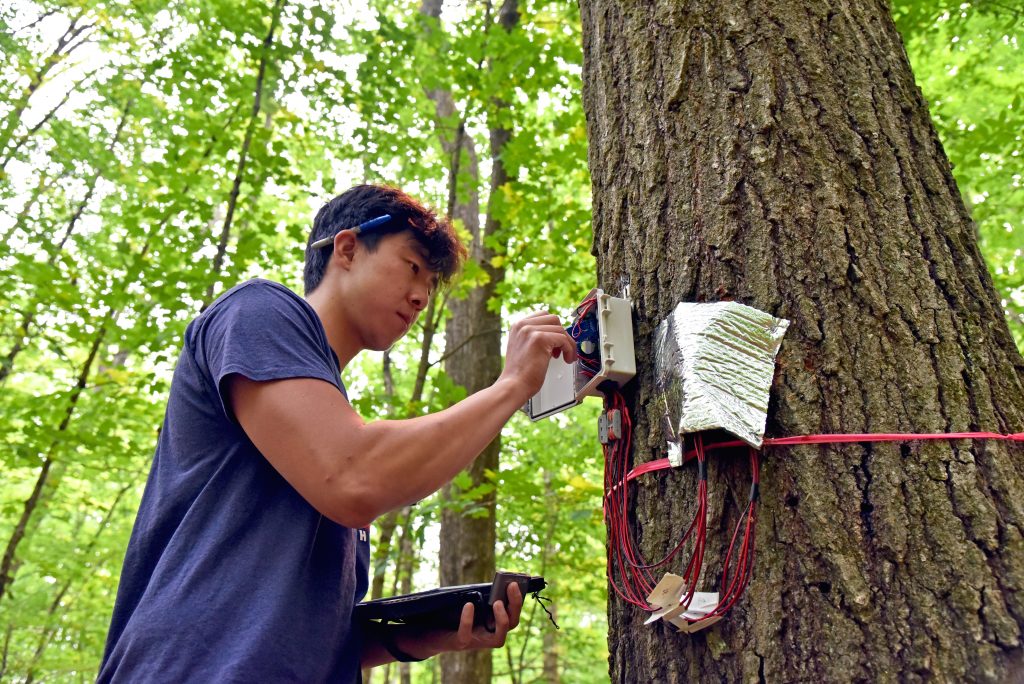
The UConn Forest consists of 2,100 acres of forest land in the Storrs-Mansfield vicinity. Aside from being a beautiful place to appreciate Connecticut’s nature, the Forest is a site for research, education, and extension work.
Outdoor Classroom
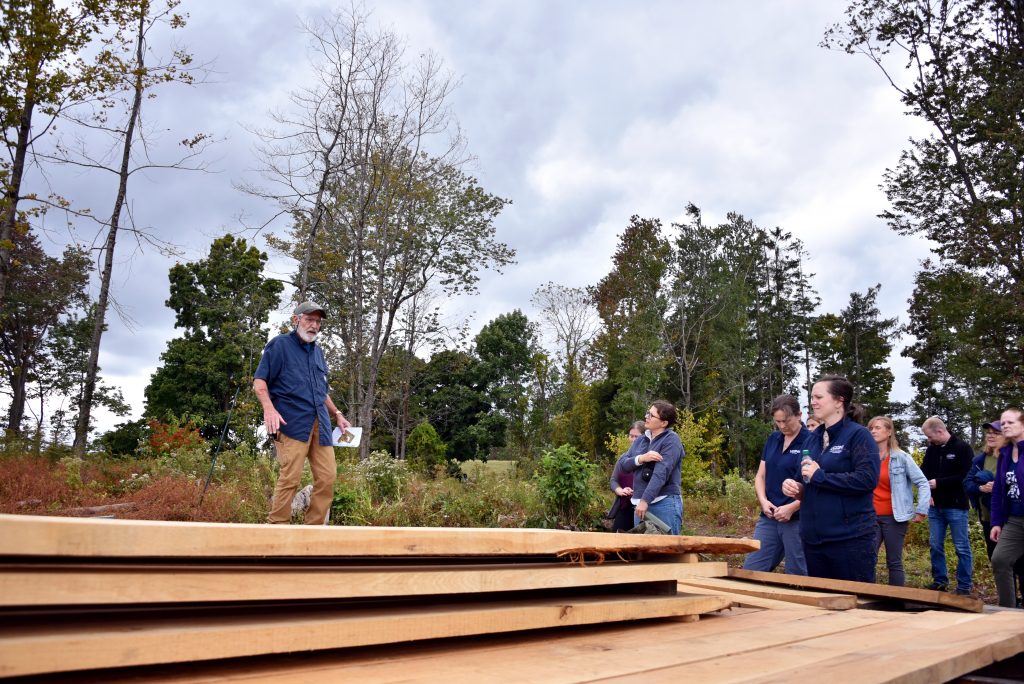
Built by UConn faculty, students, and staff from UConn Forest wood, the Outdoor Classroom on Horsebarn Hill showcases the many benefits of its surroundings. With a 30-foot radius in a hexagonal shape, the classroom can accommodate a variety of course types.