Experiential Learning
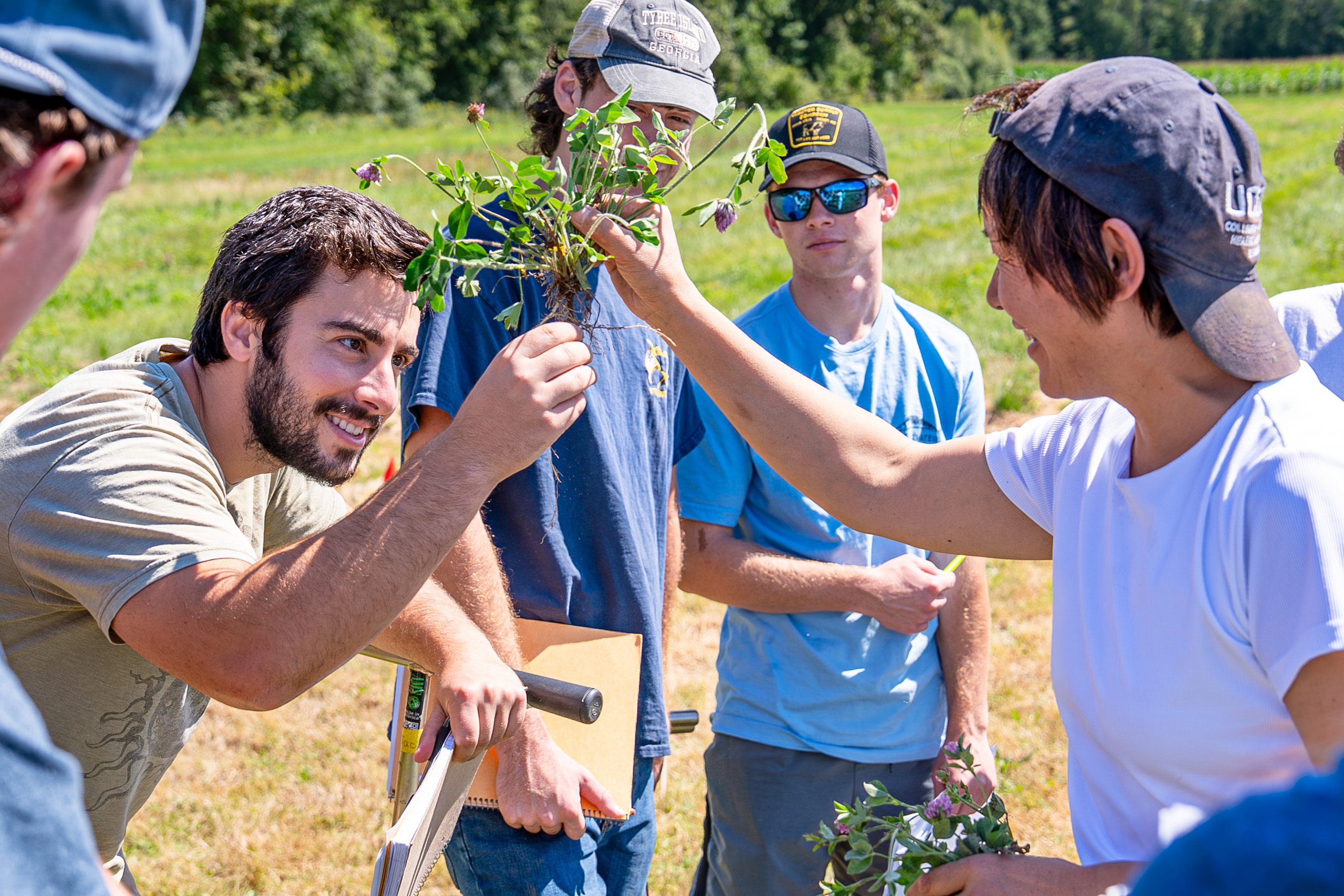
At UConn, learning goes far beyond the classroom. Through hands-on research, internships, community-engaged projects, abroad experiences, and capstone work, students in Plant Science and Landscape Architecture gain real-world skills, make professional connections, and deepen their understanding of environmental challenges — while doing meaningful work that advances their fields.
Research Opportunities
You’ll have access to diverse departmental and cross-college research projects in areas such as plant genetics, soil health, sustainable landscaping, ecological restoration, urban horticulture, and turfgrass science. Work side by side with faculty mentors, publish findings, and present at regional and national conferences. These experiences bolster your resume and prepare you for graduate study, industry leadership, or roles in government.
Internships and Independent Study
We partner with private firms, public agencies, botanical gardens, nurseries, and extension programs to place students in high-impact internships. These placements allow you to apply classroom knowledge in real-world contexts — whether designing sustainable landscapes, managing crops, or conducting field trials. Many students convert internships into full-time job offers or build long-term professional networks.
Study Abroad and International Field Experiences
Explore global perspectives in agriculture, ecology, and landscape architecture through semester programs or short-term field courses abroad. Travel to botanical research sites, visit international design landscapes, or collaborate with global conservation projects to enhance your creativity and worldview.
How Experiential Learning Powers Your Career
- Employers value graduates who already “know how to do the work”— these experiences give you that edge.
- You’ll graduate not just with knowledge, but with a professional network, a portfolio of real projects, and confidence to lead in your field.
- Many students land their first job through relationships built during internships, research, or community projects.

Community-Engaged Learning
Through extension projects, outreach partnerships, and service-learning, you’ll apply your skills to benefit communities across Connecticut. Whether it’s designing public green spaces, advising local growers, or leading workshops in schools, these experiences help you grow your leadership, communication, and project management skills.
Capstone and Design Projects
For some students, their senior year culminates in integrative capstone or design projects where they propose and implement solutions to real campus, municipal, or client-based challenges. These projects allow our students to synthesize technical knowledge, sustainability principles, and community needs — and produce portfolio work that showcases their skills to future employers.